Therapy for people who’ve been strong for too long
I’m Paulina Dysko, a registered clinical social worker and psychotherapist. For more than 14 years, I worked on the front lines and learned what it means to be the “tough one.” It first started in 2005, volunteering on a distress line and answering calls from people in crisis. From there, I worked at a hospital, in child welfare and later in forensic investigative work alongside police. Today, I help first responders, adults, and teens understand what they’ve been carrying, reconnect with themselves, and begin to feel more like themselves again.

Does any of this sound familiar?
You can be doing your job well and still not feel okay.
- Exhausted, but unable to switch off
- On edge, or losing patience faster than you used to
- Sleeping, but never feeling rested
- Pulling away from family and friends
- Replaying things you’ve seen or been through
- Feeling like a different person at work and at home
- Watching your child struggle and not knowing how to help
None of this means you’re weak.
Stress and difficult experiences can affect how you feel, connect, and get through the day. You can seek support without having everything figured out.
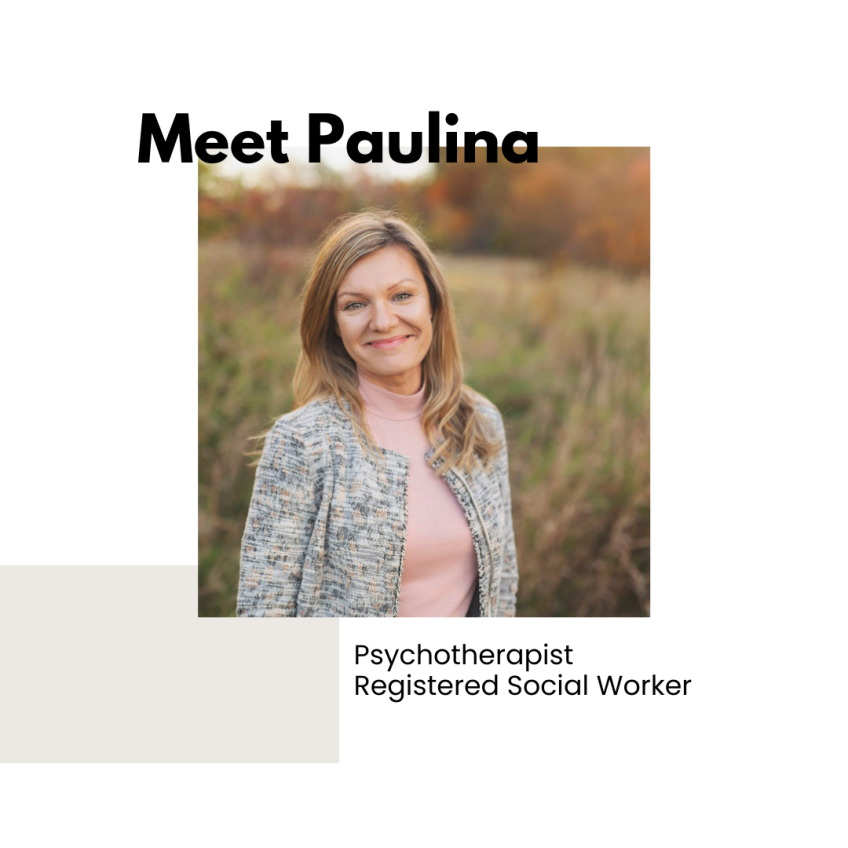
Paulina Dysko, MSW, RSW
Meet Paulina
My work in mental health started back in 2005, answering crisis calls at the London Distress Centre. From there, I spent more than 13 years in child welfare, including forensic investigative work alongside police and later as a Child Protection Supervisor. For a long time, I worked in environments where you had to stay calm, think clearly and keep going, even when what was happening around you was incredibly difficult. I became a therapist in 2012, and in 2022 I opened Gentle Pathways. I know what it’s like to be the person who keeps going and the cost that goes with it. Now, I help people understand what they’ve been carrying while they were busy doing exactly that.
I understand the culture of frontline work, so you don’t have to spend your time explaining the job, the pressure, or why certain things stay with you. And when the harder parts come up, you don’t have to worry about whether I can handle them. There is room here for the full story, at a pace that feels safe for you.
More about my background- Registered Social WorkerMSW, RSW · OCSWSSW
- EMDR therapy
- Deep Brain Reorienting
- In person or virtualLondon office · Online across Ontario
- Community PartnerBoots on the Ground, London Fire Department, SunLife
Who I work with
Start with the path that sounds most like you.
First responders and frontline professionals
Police, fire, paramedics, dispatch, corrections, healthcare and child protection. Support informed by years of working on the front lines and alongside police, with space for your own experience.
Therapy for first respondersAdults and Teens
For when you’re feeling overwhelmed, shut down, or somewhere in between. Support for stress, burnout, anxiety, grief, loss and difficult experiences that still affect you.
Therapy for Adults and Young TeensChildren and families
Play and art-based approaches can help children express what is happening, with parent involvement discussed in a way that fits the child’s needs and consent.
Therapy for Children and familiesGentle doesn’t mean soft.
It means you set the pace.
Trauma therapy isn’t about digging everything up before you’re ready. We start with safety, trust and understanding what’s happening now.
Sometimes the first goal is sleeping. Sometimes it’s reconnecting with your partner or your kids, or understanding why you feel angry so often. We start there.
EMDR
An approach to processing difficult memories, considered together when it is appropriate for your needs.
Explore EMDR therapyDeep Brain Reorienting
A trauma-focused approach that attends to the body’s responses to shock and threat.
Explore DBR therapyNervous system and body-based work
Practical ways to notice stress responses and explore what helps you feel more grounded.
Our approach to traumaPlay and art-based therapy
For children who may not yet have the words for what they are experiencing.
Support for childrenWhat getting started looks like
Book online
Choose an in-person session in London or a virtual session if you are located in Ontario.
Start with what matters now
You don’t need the right words or a diagnosis. We begin with what feels manageable to talk about.
Decide the next step together
We talk through your goals, your pace and which approaches might fit.
Fees, benefits and privacy
The practical questions people often wonder about but don’t ask.
Read the full FAQFees
$170 for a 50-minute individual session. Cancellations need at least 48 hours’ notice; late cancellations and missed sessions are charged the full fee.
Cancellation policyBenefits and coverage
Many extended health plans cover services from a Registered Social Worker. Check your plan’s eligibility and claim requirements.
Ask about coveragePrivacy
Your counselling is confidential, with limits explained at the start. Information is shared with your consent, or where disclosure is required or permitted by law. We can discuss any employer or funding-related concerns before you begin.
Where we meet
Suite 204A, 219 Oxford St WLondon, ON N6H 2B8
Free parking and elevators are available on-site. Virtual sessions across Ontario.
Ask about access needs
A Gentle Fall Walk: Connecting With Nature on Warm Autumn Days

What Is Exposure and Response Prevention? Understanding ERP for OCD and Exposure Therapy for Phobias

When the Calls Stay With You: Managing Stress as a 911 Dispatcher
You don’t have to have it all figured out before you reach out.
Bring what matters to you today, and we’ll work out the next step together.