Finding the right counsellor for a teenager can feel like a monumental task, especially when you see your child hurting. If you’re feeling worried, please know that your concern comes from a place of deep love. This guide is here to offer some gentle, practical steps for recognizing the signs they might need support, understanding the different therapy options, and finding a professional who can genuinely connect with your teen.
Recognizing the Signs Your Teen Needs Support
It’s one of the toughest parts of parenting: trying to figure out the difference between typical teenage moodiness and a sign that something more serious is going on. What might look like defiance or withdrawal is often your teen’s way of showing you they’re overwhelmed and just don’t have the words to say it.
These behaviours aren’t personal failures or character flaws. They are powerful coping mechanisms—their way of trying to survive something that feels far too big to handle alone. Your feelings of concern are completely valid, and you are not alone in this.

Beyond the Obvious Changes
Sometimes the signals whisper before they shout. Instead of just looking for dramatic shifts, pay attention to the persistent, gentle changes in their world.
- Social Withdrawal: Are they consistently pulling away from friends they used to cherish? This is more than just wanting some alone time; it’s a pattern of isolation that can be a sign they’re struggling to connect.
- Changes in Core Habits: Noticeable shifts in sleeping (far more or far less) or eating patterns are often red flags that their internal world is in distress.
- Loss of Interest: When hobbies, sports, or activities that once brought them joy are consistently met with apathy, it’s a significant sign that their spark is dimming.
- Persistent Hopelessness: Do they say things like “it will never get better,” or “there’s no point in trying”? That kind of emotional weight is far too heavy for them to carry by themselves.
These struggles are far more common than we think. A CARICOM and UNICEF study found that a significant number of teens feel sad or hopeless. Sadly, many never get the help they need because they feel ashamed or don’t know where to turn.
Understanding Trauma Responses in Everyday Language
Sometimes, the signs are more complex, particularly if your teen has experienced something deeply upsetting. These are automatic survival responses wired into our brains—they are not conscious choices.
For instance, you might notice the “fawn response.” This is a lesser-known reaction where a teen becomes excessively agreeable and eager to please to avoid any kind of conflict. They might seem like the “perfect” child on the surface, but underneath, they’re hiding their true feelings just to feel safe. This isn’t manipulation; it’s a coping mechanism born out of a need to survive a difficult situation.
Your teen’s challenging behaviours are not who they are. They are a reflection of what they have been through and their attempt to cope. Seeing them this way is the first step toward healing.
For more in-depth guidance, you can also check out our guide on how to determine if your child needs a mental health professional.
Understanding Different Teen Therapy Approaches
The world of therapy can feel full of confusing terms, which is the last thing you need when you’re already feeling worried. Finding the right counsellor for a teenager often comes down to finding the right approach—one that actually fits their personality and unique needs.
It’s important to remember that not all therapy looks like sitting on a couch and talking. Many of the most effective methods are about healing in ways that feel safer and more natural for a young person. It’s completely okay if your teen finds it hard to put their feelings into words. In fact, that’s incredibly common. Some experiences get stored in the body, which is why talk therapy isn’t always the only answer.

Healing Beyond Words
Trauma-informed therapies recognize that difficult experiences impact the whole person, not just their thoughts. The goal isn’t just to talk about what happened, but to help your teen feel safe and at home in their own skin again.
Here are a couple of approaches that work on a deeper level, explained simply:
- Eye Movement Desensitization and Reprocessing (EMDR): Imagine a memory is like a messy, jumbled file on a computer that keeps popping up and causing problems. EMDR helps the brain neatly refile that memory so it no longer feels so overwhelming. It doesn’t erase what happened, but it helps disconnect the intense emotional charge, making it feel more like a past event instead of a current threat. To get a clearer idea, you might find it helpful to read our article explaining EMDR in simple terms.
- Somatic Therapy: Have you ever noticed your teen tensing their shoulders, holding their breath, or fidgeting when they’re stressed? Somatic therapy gently helps them tune into these bodily sensations to release stored stress. It teaches them that their body has wisdom and can guide them toward feeling calm and grounded again. It’s about befriending the body, not fighting it.
Expressive and Creative Paths to Healing
Sometimes, the most profound healing happens when words aren’t required at all. For a teen who feels shut down or overwhelmed, creative therapies can be a gentle and powerful way to open the door to their inner world.
The most important part of any therapy is the relationship. The specific method is secondary to your teen feeling seen, heard, and truly safe with their counsellor.
These approaches allow teens to express what’s going on inside without the pressure of a direct conversation. Learning about alternatives like What is art therapy can open up new possibilities. It uses creative processes like drawing, painting, or sculpting to explore emotions and reduce stress in a way that feels more accessible.
And play therapy isn’t just for little kids. For teens, it might involve using sand trays or therapeutic games to work through complex feelings in a way that feels less intimidating. These methods honour that healing can be an active, creative, and even playful process.
Comparing Therapy Approaches for Teenagers
To help you get a clearer picture, here’s a simple breakdown. This table can help you think about what might be the best fit for your teen’s specific needs and personality.
| Therapy Approach | Best Suited For | How It Works in Simple Terms |
|---|---|---|
| EMDR Therapy | Teens who feel “stuck” on a specific upsetting memory or experience. | Uses side-to-side eye movements or other gentle stimulation to help the brain reprocess and “file away” distressing memories so they lose their emotional sting. |
| Somatic Therapy | Teens who show physical signs of stress, like tension, anxiety, or feeling disconnected from their body. | Focuses on body sensations to help release stored stress and teach the nervous system how to settle down and find a sense of calm. |
| Art Therapy | Teens who struggle to use words, are more visual, or feel intimidated by direct conversation. | Uses activities like drawing or sculpting as a safe way to explore feelings, process experiences, and reduce stress without the pressure to talk. |
| Play Therapy | Younger teens, or those who communicate better through action and metaphor rather than direct talk. | Uses sand trays, games, and storytelling to help teens work through their struggles in a symbolic and less direct way. |
Ultimately, the best approach is the one your teen feels comfortable with. A good counsellor will often blend different techniques to meet your teen where they are, creating a supportive space for genuine healing to begin.
How to Find and Vet the Right Counsellor
Choosing the right person to support your teen is easily the most important part of this whole process. You’re not just looking for credentials; you’re searching for a genuine human connection—someone your teen can actually trust and feel safe with.
This is about finding an ally who sees their challenging behaviours not as defiance, but as powerful attempts to cope with something heavy. This search can feel overwhelming, but you’re not alone in this. Taking the time to find the right counsellor for your teenager lays the foundation for real healing.
Starting Your Search
So, where do you even begin? Honestly, a warm recommendation from a trusted friend, your family doctor, or a school guidance counsellor can be a wonderful place to start.
Online directories are also incredibly helpful. Reputable organizations have searchable databases that let you filter by specialty and location. For families in our community, looking for a counsellor for a teenager in London, Ontario, means you have access to dedicated local professionals who really understand the unique pressures facing youth today.
Key Questions for Your First Conversation
Once you have a few names, the next step is usually a brief consultation call. This is your chance to get a feel for their approach and ask the questions that really matter to you.
Think of it less like a formal interview and more like a conversation to see if you’re on the same page. Here are a few things you might want to ask:
- “Could you tell me about your experience working with teenagers who are going through [mention a general issue, like anxiety or feeling withdrawn]?”
- “How do you build trust with a teen who might be hesitant to open up?”
- “How do you handle confidentiality? It’s important for my teen to have privacy, but I also want to know how parents are kept in the loop.”
- “What does a first session with a teenager usually look like with you?”
The goal here is to find someone who speaks a language of compassion, not judgment. You want a counsellor who understands that a teen’s “acting out” is often a cry for help.
Understanding the Practical Side
Beyond finding the right personality fit, there are practical logistics to consider to make sure therapy is sustainable for your family.
Virtual vs. In-Person Sessions
Many teens today are completely comfortable with virtual sessions, which offer a ton of flexibility. For others, the safety of an in-person meeting is what they need to open up. It’s a great idea to ask your teen what they would prefer—their comfort is key.
Cost and Coverage
Don’t be shy about discussing costs upfront. Ask about session fees, whether they offer a sliding scale based on income, and if they provide receipts that you can submit to your insurance. Figuring out the financial side from the start prevents a lot of stress down the road.
Confidentiality
This is a huge one for teens. Fears around privacy are a major reason why they might not seek help.
A good counsellor will explain the limits of confidentiality very clearly to both you and your teen. This ensures your teen has a private space to be honest while making sure safety remains the top priority.
Talking to Your Teen About Starting Counselling
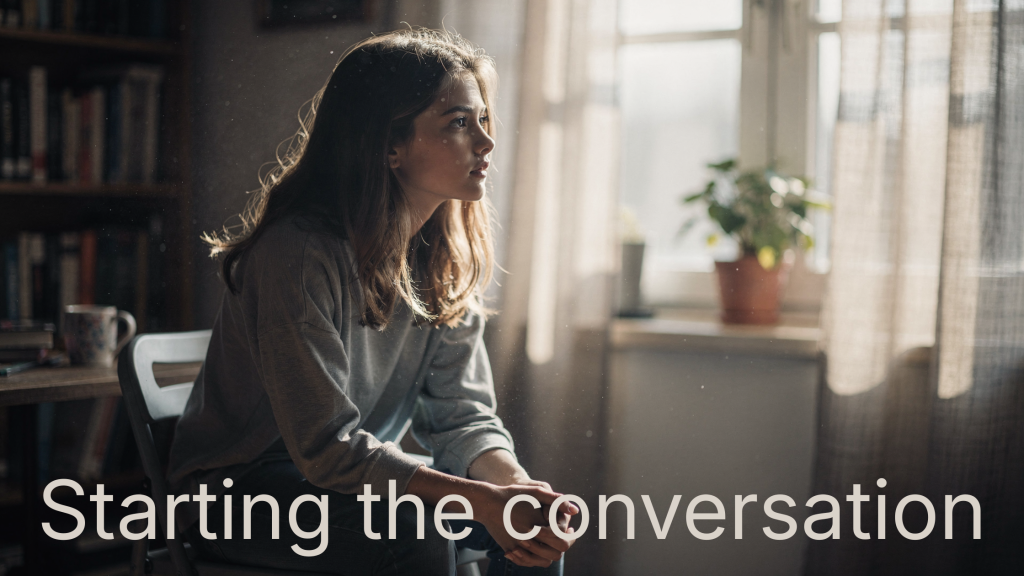
Bringing up the idea of seeing a counsellor can feel delicate. You love your teen, and the last thing you want is for them to feel like they are a problem to be fixed or that you’re disappointed in them. Your feelings are valid, and it’s okay to feel nervous about this conversation.
The goal is to open a door with warmth, empathy, and reassurance, not force them through it. Think of it as an invitation—a way to show them this is a caring step you’re taking together.
Framing the Conversation with Care
How you start this talk makes all the difference. Instead of focusing on “problems,” you can frame counselling as a tool for building strength—like hiring a coach for your mind or a guide for navigating tough emotions.
Avoid language that might sound like an accusation, like “You need help.” Instead, lead with your own observations in a gentle, non-judgmental way.
Here are a few ways to open the conversation:
- “I’ve noticed things seem really heavy for you lately, and it hurts my heart to see you struggling. I was thinking it might be helpful to have someone to talk to who is just for you.”
- “Life feels so intense these days. I found someone who is an expert in helping teens manage stress, and I wondered if you’d be open to chatting with them.”
- “You know how athletes have coaches to help them perform their best? A counsellor is kind of like that, but for navigating life. They can give you tools to handle all the pressure.”
Validating Their Feelings and Giving Them Control
One of the biggest fears for a teenager is losing control. It’s so important to include them in the process from the very beginning. This shows them that their voice matters and that this isn’t something being done to them, but with them.
Remember, their resistance often comes from fear—fear of being judged, misunderstood, or forced to talk about things they’re not ready to share. Validating that fear is the key to building trust.
Let them browse the websites of a few different counsellors. Ask for their opinion. Giving them a say in who they see can make them feel empowered and much more invested.
You could say something like, “I found a few people who seem really kind. Do you want to look at their profiles with me and see if any of them feel like a good fit?”
This small shift from directing to partnering can change everything. It respects their autonomy while still providing the loving guidance they need. When you team up to find the right counsellor for a teenager, you’re reinforcing that you’re on their side, ready to support them every step of the way.
What to Expect in the First Few Sessions
The thought of that first appointment can bring a knot to anyone’s stomach—yours and your teen’s. It’s completely normal to feel a mix of hope and anxiety. Please know that this initial step is about one thing above all else: building a sense of safety and connection.
The first session with a counsellor for a teenager is not an interrogation. It’s a gentle conversation, a chance for your teen to get a feel for the person and the space. The therapist’s main goal is to listen and show your teen that they are seen, heard, and accepted exactly as they are.

Making the First Meeting Feel Safer
To ease some of the nerves, you can share with your teen that they don’t have to dive into their deepest fears right away. The counsellor will likely start with simple questions to get to know them as a person—their interests, what they enjoy, and what daily life is like for them.
Here are a few tips you can share with your teen to help them feel more prepared:
- Think of one small thing. Suggest they think of just one small thing they’d like to feel different about. It doesn’t have to be a huge problem; it could be as simple as, “I wish I didn’t get so stressed before exams.”
- It’s okay to say “I don’t know.” Reassure them that they don’t need to have all the answers. Therapy is a space for exploration, not a test.
- They are in the driver’s seat. Remind them that this is their space. They can share as much or as little as they feel comfortable with.
After the session, your role is to offer quiet support. Resist the urge to ask, “So, what did you talk about?” Instead, try something gentle like, “I’m so glad you went today. I’m here if you want to talk about anything at all.” This respects their privacy while showing you care. For more ideas, you might be interested in our guide on making the most of that first counselling session.
Healing is not a straight line. There will be good weeks and tough weeks, moments of breakthrough and moments of feeling stuck. This is all a normal and necessary part of the process.
Setting Realistic Expectations for the Journey
It’s so important to remember that the first few sessions are about building the foundation of a trusting relationship. Deep, lasting change takes time. You likely won’t see a dramatic transformation overnight, and that’s okay.
The real work begins once your teen feels safe enough to be vulnerable. Be patient with the process, and most importantly, be patient with your teen and with yourself. You have taken a courageous and loving step, and that is a powerful starting point for the journey ahead.
Navigating Common Questions About Teen Counselling
Taking that first step toward finding a counsellor for your teenager naturally brings up a lot of questions. It’s completely normal to wonder about the process. Here are some straightforward answers to help offer some clarity and reassurance.
Think of this as a partnership. Having good information is the best way to feel more confident and prepared for the path ahead.
“Is This Just Teen Behaviour or Something More?”
This is one of the toughest questions for parents, and it’s okay to feel unsure. The key things to look for are persistence and impact.
Is this behaviour lasting for weeks on end? Is it getting in the way of their schoolwork, friendships, or family life? If your teen has totally pulled away from activities they once loved or if their irritability feels constant and heavy, it might be more than just a phase. Counselling isn’t just for a crisis—it’s a proactive space to build coping skills. Trust your gut. If you feel like something is off, exploring it is a caring and responsible step.
“It’s a concern of mine that some people are in a place where they think to feel angry or depressed is a sin… Those feelings aren’t evidence of faithlessness. Ultimately, they are just a facet of being human.”
“What’s My Role as a Parent in My Teen’s Therapy?”
Your most important role is to be a supportive anchor. On a practical level, this means you handle the logistics, like scheduling appointments and managing payments. But your emotional role is even more vital.
Offer encouragement without pressure. Most importantly, respect their privacy. The counsellor will establish clear confidentiality rules with everyone at the start. You might be invited to occasional family meetings or receive general updates, but the best thing you can do is create a home where talking about mental health is normal and seeking help is seen as a sign of incredible strength.
“What if My Teenager Refuses to Go to Counselling?”
This is incredibly common, so please don’t be discouraged. The first step is to try and understand why they’re resistant, without judgment. Are they worried about what their friends will think? Do they feel like this is a punishment?
Open a calm conversation that validates their fears. You could try saying, “I hear that you’re not sure about this. Can you tell me what your worries are?”
Giving them a voice in choosing the counsellor can also make a huge difference. If they still refuse, family therapy can be a good starting point, as it places the focus on the family dynamic as a whole rather than singling them out.
“How Long Does Therapy for a Teenager Usually Take?”
There’s no magic number here. The length of therapy depends entirely on your teen’s individual needs.
- For a specific, short-term issue like managing exam anxiety, a few months (8-12 sessions) might be enough.
- For deeper challenges like processing trauma or ongoing depression, it could be a longer journey of six months to a year or more.
A good counsellor will discuss goals early on and check in on progress regularly. The focus is always on creating meaningful, lasting change, not on sticking to a predetermined timeline.
You are doing a wonderful thing by seeking support for your teenager. It is a true act of love. At Gentle Pathways, we provide a warm, supportive space for teens and families to navigate life’s challenges. If you are ready to take the next step, we invite you to connect with us and learn more about our trauma-informed counselling services in London, Ontario. Visit us at gentlepathways.ca to book a consultation. You are not alone on this journey.